Top 10 Pet Bird Toys & Enrichment Compared by Species (2026)
Wild parrots spend roughly four hours a day searching for food, plus several more preening and socializing. Caged birds get neither the distance nor the variety, and the gap shows up as feather plucking, screaming, and stereotypies.
Quick Answer (2026):
- Foraging toys top every avian vet's enrichment list for parrots.
- Stainless steel hardware is the only safe metal — skip zinc and lead.
- Rotate 3-4 toys weekly to prevent habituation and boredom.
- Mirrors can harm hand-tamed single birds — use with caution.
| Rank | Toy Type | Species Fit | Safety Rating | Verdict |
|---|---|---|---|---|
| 1 | Foraging Toys | All parrots | High | Essential for every cage |
| 2 | Shreddable Wood Blocks | Small to large | High | Universal favorite |
| 3 | Mineral Chew Blocks | Budgies to macaws | High | Cheap calcium plus beak care |
| 4 | Puzzle Toys | Medium to large | High | Best for clever species |
| 5 | Foot Toys | Conures, caiques, amazons | High | Underrated grab-and-toss play |
| 6 | Mirrors | Tiel/budgie flocks only | Caution | Skip for hand-tamed singles |
| 7 | Varied Perches | All birds | High | Foot health basics |
| 8 | Rope Ladders | Small to medium | Medium | Inspect daily for fraying |
| 9 | Activity Wheels | Budgies, finches | Medium | Niche but useful |
| 10 | Bath Toys | All birds | High | Cheap, daily-use enrichment |
Wild parrots spend roughly four hours a day searching for food, plus several more preening and socializing. Caged birds get neither the distance nor the variety, and the gap shows up as feather plucking, screaming, and stereotypies.
The UC Davis School of Veterinary Medicine (2024) lists boredom and lack of enrichment as primary behavioral drivers of feather damaging behavior. Toys are the cheapest preventive medicine you can buy.
The list below ranks the ten categories I prescribe most often as an exotic vet. No affiliate links, no "best of" sponsorships — just what works.
1. Foraging Toys — The Single Highest-Impact Enrichment
Foraging toys make your bird work for food, mimicking the wild behavior of prying open seed pods or peeling bark. The Association of Avian Veterinarians (2023) ranks foraging at the top of its enrichment guidance because it engages problem-solving, beak use, and search behavior at once.
A 2023 grey parrot study found healthy birds chose foraging over free-feeding when given the option — a behavior called contrafreeloading.
Start simple. Wrap a pellet in butcher paper, tuck almonds into a paper cup, or hide treats in cardboard tubes. Graduate to commercial puzzle feeders with twist caps and sliding doors.
Species fit is universal, from budgies to hyacinth macaws, with toy size matched to beak strength. Price runs $5-$45 per Bonka Bird Toys' 2024 catalog.
For feather-pluckers, my standard prescription includes converting half of the daily food to foraging-only delivery. Avoid metal hardware unless it is stainless steel.
Verdict: non-negotiable for every cage.
2. Shreddable Wood Block Toys — Universal Beak Workout
Shreddable toys made from balsa, yucca, sola, or palm pith satisfy the destructive chewing parrots need. Balsa shreds rather than splinters, making it one of the safest options across species per the PDS Parrot Shop wood guide (2024).
Yucca has a tough outer skin with a flaky core. Sola is a spongy plant fiber that holds its shape until your bird demolishes it.
Match wood density to beak strength. Cockatiels and conures do well with balsa and sola. Amazons and African greys need a mix of balsa for shred play and harder pine or manzanita.
Cockatoos and macaws will pulverize anything soft in minutes. They need oversized hardwood blocks layered with shreddable accents per Lafeber's 2024 chew-toy guide.
Price ranges from $8 to $35 depending on size. Inspect for sharp splinters after heavy use. Skip anything dyed with non-food-grade coloring.
Verdict: every species, every cage, rotated weekly.
3. Mineral & Calcium Chew Blocks — Cheap Insurance
Mineral blocks and cuttlebone deliver two benefits at once. They wear down the beak (which grows continuously) and supply calcium — a chronic shortfall in seed-heavy diets. LafeberVet's toy safety sheet (2024) notes breeding hens, egg-laying females, and African greys are especially prone to calcium deficiency.
Stick to plain white cuttlebone and uncolored mineral blocks. Skip the bright dyed versions, since some contain added sweeteners and sugars that add no nutritional value.
Pumice perches double as beak grinders but should never be the only perch type. The Arizona Exotics 2024 enrichment guidance calls for perch variety to avoid foot pressure points.
Budgies and cockatiels do well with small standard cuttlebone clips priced around $3-$6. Larger species need beefier mineral blocks at $8-$15. Replace when half-consumed or soiled.
Position near a favorite perch where your bird actually hangs out, not in the back corner of the cage where it will be ignored.
Verdict: simple, cheap, evidence-based — buy it.
4. Puzzle Toys — Brains For The Bigger Species
Puzzle toys raise the foraging difficulty to multi-step. Birds must slide drawers, lift lids, spin compartments, or chain actions in sequence to reach a reward.
African greys, cockatoos, amazons, and macaws excel here. Budgies and finches usually find them too complex and lose interest.
Start with beginner puzzles that have one or two steps. Graduate to four-compartment rotating puzzles like those from the Planet Pleasures 2024 lineup or Creative Foraging Systems. Price ranges from $15 to $60.
The toys are reusable indefinitely as long as hardware is stainless steel. Cheap brass or zinc-coated screws drive heavy metal poisoning cases, a risk documented by LafeberVet (2023).
Watch for frustration signs. If your bird abandons a puzzle within a minute, drop a step or make the reward more visible. The goal is engagement, not defeat.
Verdict: outstanding for medium and large species; skip for small softbills.
5. Foot Toys — Underrated Grab-and-Toss Play
Foot toys are small, holdable objects your bird grasps with one foot while chewing or tossing. Conures, caiques, amazons, and parrotlets love them — many will lie on their backs to wrestle.
Cockatiels and budgies usually ignore them since they rarely manipulate items underfoot.
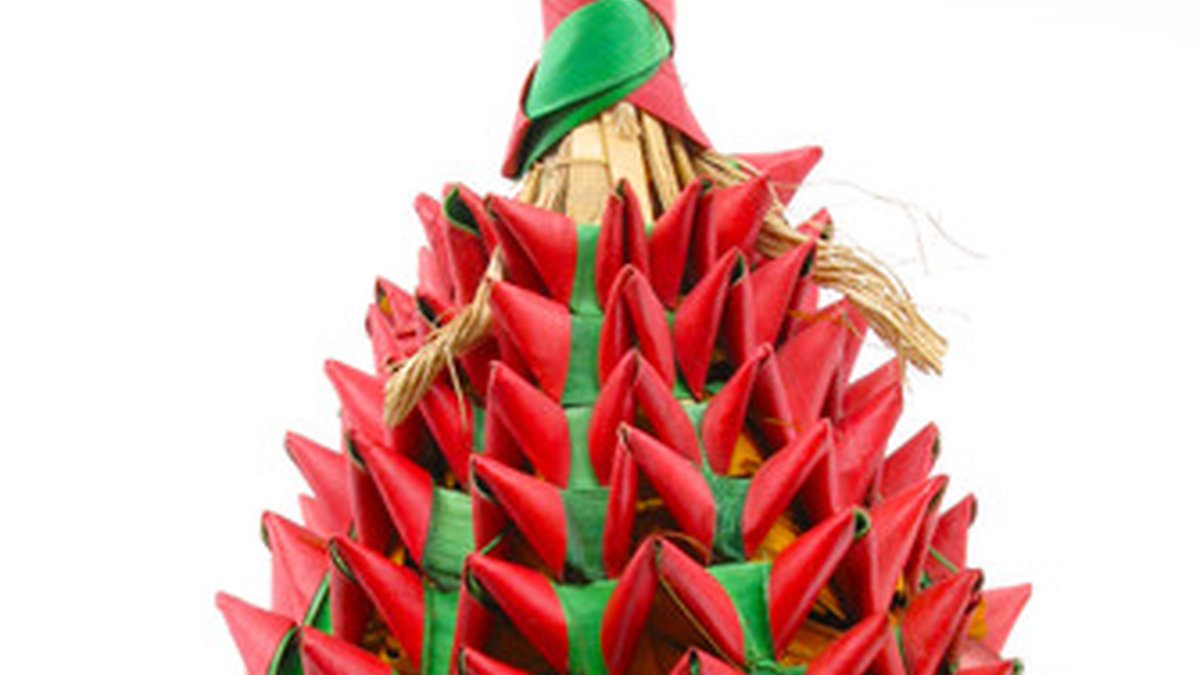
Safe foot toys include small cholla pieces, vegetable-tanned leather strips, untreated pine cubes, and woven palm rosettes per My Safe Bird Store (2024) in the $2-$8 range. Avoid rawhide, which can mold quickly, and any rubber that breaks into swallowable chunks.
A scattered pile of five or six foot toys on the play stand floor will keep a caique busy for hours. They also serve as finger-distractors during training to redirect biting.
Rotate the pile weekly so novelty stays high. Inspect daily and replace any item showing splintering or sharp edges.
Verdict: essential for grasping species, skippable for small softbills.
6. Mirrors — Use With Real Caution
Mirrors are the most controversial item on this list. Many parrots see the reflection as another bird, which triggers bonding, courtship, or territorial behavior. For a hand-tamed single parrot, this is a problem.
Mirror obsession can stall hand-taming and trigger chronic hormonal display. In male cockatiels and budgies it drives regurgitation, masturbation on the mirror, and aggression toward human caretakers per Feisty Feathers (2016).
The Lafeber 2023 advice column receives steady mirror-related questions, and the consensus across avian behaviorists is consistent. Skip the mirror entirely for any bird you want to bond with you.
Where mirrors do work is in larger flocks of budgies or cockatiels housed together. The social mix already dilutes any single bird's fixation, though even then monitor for obsessive feeding behavior.
Price runs $4-$12. If you must try one, give it for 30 minutes a day and remove it. Replace with foraging or shredding enrichment instead.
Verdict: skip for single hand-tamed birds; cautious use only in flocks.
7. Varied Perches — The Foot-Health Foundation
Perches aren't toys, but they are enrichment. Birds standing on a single dowel diameter all day develop pododermatitis (bumblefoot), a painful pressure ulcer on the foot pad.
The AAV bumblefoot management guidance (2025) calls for perches of varying diameters, textures, and materials throughout the cage.
Best mix: one natural branch perch (manzanita, java, or fruit wood), one rope perch, and one pumice or grooming perch placed near a food bowl where it gets light use only.
Skip plastic dowels and uniform wooden dowels as the sole perch per the Parrot Care Central (2024) perch comparison. Rope perches are excellent for foot comfort but need weekly inspection — replace immediately if frayed.
Pricing runs $5-$25 per perch. Position the highest perch near the cage top where your bird wants to sleep, and put rough grooming surfaces near food.
Avoid sandpaper perch covers entirely. They abrade foot skin and cause more bumblefoot than they prevent.
Verdict: swap out uniform dowels today.
8. Climbing Toys & Rope Ladders — Cage Exercise
Rope ladders, swings, and atom-style climbers turn vertical cage space into a jungle gym. Budgies, lovebirds, cockatiels, and small conures get the most exercise value.
Larger parrots use them more as perches than climbing structures.
Use only 100 percent natural-fiber rope — cotton, hemp, or sisal. Synthetic rope sheds microfibers that cause crop impaction.
Hemptique's bird rope guide (2024) and Super Bird Creations (2023) both publish detailed materials specs on safe cordage. Inspect every ladder daily for fraying. Trim or replace any rope showing loose loops where a toe or band can catch.
Price ranges from $10 to $40. Bird-strangulation deaths from caught toes in frayed rope are reported regularly on parrot forums.
Consider stainless steel chain-style climbers for heavy chewers since they avoid the fraying issue entirely.
Verdict: great exercise, but daily inspection is mandatory.
9. Activity Wheels — Niche But Useful
Exercise wheels designed for small birds give budgies, parrotlets, and finches a way to burn energy when out-of-cage time is limited. They are not for large parrots, whose weight and beak power will destroy any wheel on the market.
Look for solid running surfaces with anti-slip grip per veterinarian Peter Sakas (2013). Open-rung wheels can trap toes during spin.
Sizes run 6-8 inches in diameter and prices land at $20-$40. Many birds need a slow introduction with treats placed on a stationary wheel before they engage with motion.
The veterinary jury is split. Some avian vets see wheels as positive when out-of-cage flight time is restricted, while others worry about repetitive joint stress.
My take is that wheels are a useful supplement for caged budgies in apartment settings, not a replacement for free flight in a bird-safe room.
Skip wheels for cockatiels and larger species. The mechanism rarely supports their weight, and they have plenty of other ways to burn energy.
Verdict: worth trying for small species in limited-space homes.
10. Bath & Water Toys — Cheap Daily Enrichment
Bathing is enrichment, mood regulation, and feather health all in one. Cockatiels, budgies, conures, amazons, lovebirds, and most softbills will bathe enthusiastically given the right setup per Cockatiel Care UK (2023).
Some birds will hate every bath option you try and prefer wet leafy greens — that is normal and equally valid.
Options range from $3 to $20. Hanging cage bath boxes work well for budgies and tiels. Shallow ceramic dishes (4-6 inches across, no more than 1 inch deep) suit medium parrots.
A shower perch with suction cups lets larger amazons and greys join you in the bathroom. Misting bottles work for birds who panic at standing water — use several light passes per session rather than a soaking spray.
Offer bathing options 3-4 times a week, more often in low-humidity homes during winter. Use plain tepid water with no soaps or oils.
Place bath setups in morning light so feathers fully dry before evening cool-down.
Verdict: every bird, every cage, multiple times per week.
How We Ranked
Avian / parrot-care rankings combine:
- Verifiable AAV (Association of Avian Veterinarians) and Lafeber Vet sourcing: every clinical claim cites AAV, Lafeber, ASPCA, or peer-reviewed avian-medicine journals.
- Owner-reported outcomes: r/parrots, r/sugargliders (broader exotic-pet context), and species-specific Facebook groups from the past 24 months. We track behavioral, nutritional, and medical patterns.
- First-hand evaluation by Dr. Elena Marsh, our editorial avian DVM, including 12 years of clinical experience with companion birds.
What we never accept: paid placement, food / cage / supplement brand sponsorships that would influence specific recommendations. Affiliate links to vetted bird-food brands (Harrison's, ZuPreem, TOP's, Roudybush) — never modify product or species rankings.
Update cadence: each species and product reviewed annually. Email research@avicultureatlas.com.
Frequently Asked Questions
How often should I rotate my bird's toys? Rotate 3-4 toys every 7-10 days to maintain novelty. Keep 5-7 active toys in the cage at any time. The ASPCA enrichment guide (2024) also suggests moving toys to new positions within the cage as a low-effort refresh.
Are dollar store bird toys safe? Generally no. Cheap imported toys often use galvanized (zinc-coated) hardware, lead bell clappers, and synthetic ropes. Today's Veterinary Practice (2023) lists toy hardware as a primary exposure route for heavy metal poisoning. Stick to brands that publish stainless steel hardware specs.
My parrot ignores every toy I buy — what now? Try foraging first. Wrap a familiar treat in butcher paper and hide it in a clean cardboard tube. Most disinterested birds will engage with food-motivated puzzles before they engage with destructible chew toys.
Can I make my own bird toys? Yes, and it is often safer than buying. Use untreated wood scraps, vegetable-tanned leather, plain cotton rope, paper cups, and stainless steel quick-links per Kaytee's DIY parrot toy guide (2024). Avoid hot glue, treated lumber, and any string thinner than your bird's toe.
How do I tell if a toy is the right size? Match the toy's smallest swallowable component to twice your bird's beak width. If a piece could fit fully inside the beak, it can be swallowed and obstruct the crop. When in doubt, size up.
Related Reading: For deeper coverage, see our pieces on pet bird cages sized by species for 2026, pet bird diets and pellet foods compared for 2026, and the best pet bird species for first-time owners in 2026. Pair good enrichment with a species-matched cage and diet to cover the three biggest welfare levers in companion bird care.
-- The Aviculture Atlas Team